
Open vs. Enclosed Car Transport: Which Shipping Method Should You Choose?
When arranging vehicle transportation, one of the most important decisions is choosing between open and enclosed car shipping.
Both methods are commonly used for transporting vehicles across the United States, but they differ in cost, protection, and suitability.
Understanding these differences can help you choose the option that best matches your vehicle and transportation priorities.
What Is Open Car Transport?
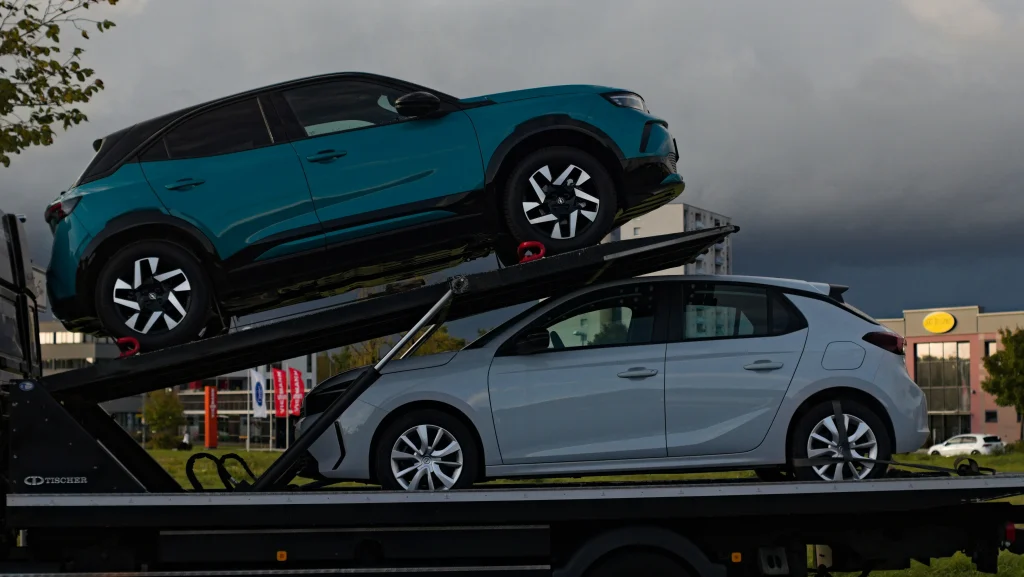
Open car transport involves shipping vehicles on an open-air trailer.
These carriers can transport multiple vehicles and are commonly used for dealership deliveries, personal relocations, and standard passenger vehicle shipping.
Open transportation is generally more affordable because carriers can move several automobiles on a single trip.
However, vehicles remain exposed to outdoor weather and ordinary road conditions.
What Is Enclosed Car Transport?
Enclosed car transport involves shipping a vehicle inside a covered trailer.
This provides additional protection against rain, dust, direct sunlight, and much of the road debris encountered during transportation.
Enclosed carriers typically transport fewer vehicles, making this method more expensive than open shipping.
Enclosed transportation is frequently selected for luxury automobiles, classic cars, exotic vehicles, and valuable collectibles.
Comparing Open and Enclosed Shipping
Transportation Cost
Open shipping is usually the more economical choice.
Enclosed shipping costs more because of specialized equipment, reduced trailer capacity, and carrier availability.
Vehicle Protection
Open carriers expose vehicles to outdoor conditions.
Enclosed carriers offer additional environmental protection, although no shipping method can eliminate every transportation risk.
Carrier Availability
Open transport is generally more widely available across common shipping routes.
Enclosed carriers may require additional scheduling flexibility, particularly for specialized vehicles.
Vehicle Suitability
Open transport is suitable for many everyday passenger vehicles.
Enclosed transportation is often preferred for high-value, rare, customized, or collectible automobiles.
Which Shipping Method Is Best for Your Vehicle?
If you’re shipping a standard sedan, SUV, or everyday commuter vehicle, open transport is often a practical and affordable solution.
If you’re transporting a classic automobile, luxury sports car, or vehicle with a specialized finish, enclosed shipping may provide valuable additional protection.
Customers with modified vehicles should also discuss ground clearance and loading requirements before booking.
Is Enclosed Transport Always Necessary for Luxury Cars?
Not necessarily.
The appropriate shipping method depends on the vehicle’s value, condition, owner’s preferences, budget, and tolerance for environmental exposure.
Some luxury vehicle owners choose open transport, while others prefer enclosed carriers.
The decision should reflect the specific vehicle and transportation requirements.
Questions to Ask Before Booking
Before choosing a transport service, ask about carrier availability, estimated pickup dates, transit times, insurance terms, loading equipment, and delivery procedures.
You should also confirm whether the shipping quote includes all applicable charges.
Documenting the vehicle’s condition before pickup and after delivery is important regardless of the shipping method.
Final Thoughts
Open and enclosed auto transport both offer useful solutions for different shipping needs.
Open transportation emphasizes affordability and broad availability, while enclosed transportation provides additional protection from outdoor conditions.
ReliablePath Car Shipping helps customers in Fort Lauderdale explore both options.
Contact (954) 369-9247 to discuss the best shipping method for your vehicle.